Division Controller, CPA

Responsibilities: 

  • Responsible for the Division’s accounting and financial control functions. Supervises the accounting department, coordinates budgeting and planning; develops, implements and maintains appropriate financial and administrative systems and processes throughout the division. Completes timely financial reporting to the corporate office.
  • Supervises the accounting department, coordinates budgeting and planning; develops, implements and maintains appropriate financial and administrative systems and processes throughout the division. Completes timely financial reporting to the corporate office.
  • Responsible for all accounting and financial control functions in the Division. Supervises the accounting department. Develops, implements and maintains sound accounting methods and systems in accordance with corporate policies and procedures.
  • Responsible for the monthly close process. Reviews financial statements, explains variances and presents financial information to management.
  • Completes timely and accurate financial reporting and special requests to the corporate office.
  • Coordinates the division accounting audits.
  • Coordinates and prepares budgets, reviews, updates and analysis. Completes the annual business plan, updates, monthly projections and special project analysis.


Education and Experience Requirements:

  • CPA
  • Strong accounting/financial background
  • Five to seven years related experience, including relevant real estate experience

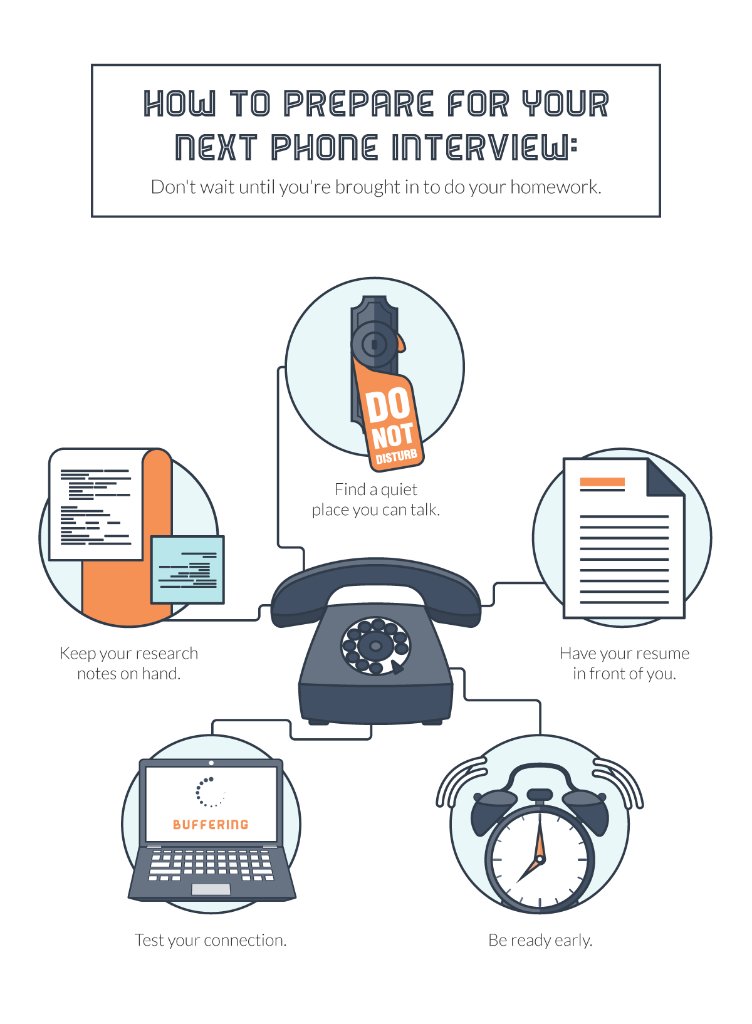
8 things to remember before and after you step foot in the lobby for an interview

  1. The day before

Yes, I know it is a hassle, but take the time to drive by the location the day before your interview.  It will make you feel much more relaxed when navigating to the location. The last thing you need the day of the interview is to get lost and arrive stressed out. This does not set a good tone for the day!

2. Timing

Arrive at the building 20 to 30 minutes early to review your notes, but do not go in until 5 to 10 minutes before the interview (depending on building security). You do not want to throw the interviewer off. They have a schedule too and they may be taking that time to prepare for you!

3. Pre-Interview Jitters?

Before you even walk into the lobby, wash your hands with cold water if you tend to have sweaty palms! Also, give yourself a little pep talk and walk in with confidence.

4. Cell Phone

I can’t believe I even have to say this, but do not play on your cell phone! It does not make a good impression to be playing candy crush on your phone, when the manager walks out to come greet you.  Another option is just to leave your phone in your car. This way you can’t be distracted by it

5. Receptionist

Greet the receptionist and please be nice. Believe it or not this person could hinder your ability to get the job! They will be the first person to speak up if you are rude.

6. Posture

Sit up tall and with confidence. Look up and around. Smile at the people walking by. You will be making a great first impression with several people without formally meeting them!

7/ Double check

One more time! Yes, please make sure your phone is off. Yes, completely off. I know you didn’t leave it in the car. You do not want to risk the phone ringing or even vibrating in the interview. The world will not come to an end if you cannot be reached for an hour.

8. Portfolio

Have your portfolio with your resume, notes and prepared questions organized and ready to go. Please make sure the portfolio is appropriate for a professional interview!

Diane Delgado LeMaire, Creative Financial Staffing, Senior Managing Director, Executive Search & Branch Manager
dlemaire@cfstaffing.com
http://www.linkedin.com/in/dianedelgadolemaire/
http://www.facebook.com/CPARecruiterHouCFS
http://www.dianedelgadolemaire.com

Construction Staff Accountant – dlemaire@cfstaffing.com

OVERVIEW:

  • Assist in the preparation of company financial reporting requirements.
  • Perform monthly close and related journal entries.
  • Routinely review of job cost activity ensuring consistent and proper coding.
  • Review and manage job closing process.
  • Assist in review of month end work-in-process entries (Percentage of Completion.)
  • Monitor fixed asset activity in detail.
  • Generate month-end depreciation and amortization entries.
  • Review the general ledger for discrepancies and/or entry errors, making necessary corrections.
  • Reconcile bank accounts on a daily basis, reconcile corporate balance sheet accounts and create other corporate monthly internal management reports.
  • Reconcile Credit card and review activity and coding for appropriateness.
  • Perform financial analysis and answer questions regarding variances.
  • Support with related Party/Affiliates accounting.
  • Assist with Sales Tax and other compliance reporting and/or matters.
  • Review and manage job closing process.

EXPERIENCE:

  • Bachelor’s Degree required
  • Minimum of 2 years of Construction Accounting experience
  • Experience in Sage 300 CRE, or similar construction ERP
  • Attention to detail
  • Excellent written and verbal communication skills
  • Corporate accounting / General ledger experience
  • Solid computer skills

Why You Don’t Get Any Feedback About Your Resume Written by Alan Carniol

Why You Don’t Get Any Feedback About Your Resume

Written by 

Interview Feedback

Are you wondering why your resume isn’t getting any feedback? How come you didn’t receive any response from the company you applied for? Is there something wrong with the way it was written, or was it just not good enough?


To understand why your resume isn’t getting any response, you have to ask yourself a few questions:

  • Are you really a qualified candidate for the job?
  • Do your skills and abilities match to the job you’re applying for?
  • Do you modify your resume each time you apply to a new job?

If the answer to these questions is yes, then what could be the problem? Let’s explore the other possible reasons you’re not getting any feedback.

  • Online Applications and Job Boards

Applying online nowadays is a popular method, especially for those who are unemployed. Unfortunately, the number of applicants increases every year due to the number of fresh graduates. The reality is that these numbers are working against you. For all you know, there might be legions of candidates out there competing for the same exact position as you.

The solution is to broaden your search. Don’t just apply online or through job boards. Use your social networking powers—Facebook, Twitter, WordPress, LinkedIn—and start asking people and selling yourself. Make connections.

  • Offline Applications

The computer is just one method of looking for jobs; it’s not the only way. You have to get out there and meet some people outside the cyber world. Log off of your computer and set up meetings with people. Call your friends, go to social events, meet with your colleagues, or have a chat with your neighbor.

Who knows? These individuals might help you find a job that’ll last a lifetime.

  • Something Different

Online and offline networking may be excellent ways to find a new job or referral, but why don’t you try something new and different? Look up companies you’re interested in and start calling them to inquire about how to apply. Send them your resume and cover letter. Let them know that you’re interested.

This might take a little extra time, but there’s a greater chance that you’ll receive feedback and have some great interviews—or better yet, get accepted.

Write an exceptional resume, apply for positions that suit you, and customize your resume for each application. Chances are, the problem isn’t your resume, but your job search technique. Try to steer away from your own built-in search traditions. These deviations might just be the key to your next big opportunity.

 Published in Job Search Advice
Alan Carniol

Alan is the creator of Interview Success Formula, a training program that has helped more than 40,000 job seekers to ace their interviews and land the jobs they deserve. Interviewers love asking curveball questions to weed out job seekers. But the truth is, most of these questions are asking about a few key areas. Learn more about how to outsmart tough interviewers b ywatching this video.

Construction Staff Accountant – Southeast Houston

Do you have 2 to 3 years of experience in construction or job cost accounting? Are you looking for a growing company and ready to expand your skill set? Would you like to work on the Southeast side of Houston? Well then email me to find out more about the Construction Accountant role I am currently trying to fill!!!!

My email is dlemaire@cfstaffing.com

Requirements:

  • Accounting Degree
  • Job Cost / Project Cost / WIP or POC experience
  • 1 to 4 years of total Accounting experience

Senior Reporting Specialist – North Houston – dlemaire@cfstaffing.com

85 to 100K plus bonus

Responsibilities:

  • Lead all the closing activities for certain of the companies, including the preparation and distribution of the monthly and annual financial statements, including cash flow.
  • Calculate and process closing entries in line with agreed timelines for certain key accounts including deferred revenue, accruals other than AP, payroll, non-controlling interests and other equity related transactions.
  • Assist with other routine closing activities.
  • Provide monthly analysis and reports on certain key companies / accounts. Review and check, understand the drivers and trends and document findings.
  • Prepare certain monthly and quarterly Balance Sheet reconciliations covering all the accounts within the Balance Sheet for review by the Corporate Accounting Senior Manager and Manager.
  • Fixed assets / depreciation – including disposals.
  • Support the monthly, quarterly and annual consolidation processes at the business unit and holdings level.
  • Prepare and check certain BS reconciliations and roll forwards (investment, equity, non-controlling interest etc) in conjunction with the Reporting Manager.
  • Agreeing the segment reports to the underlying GLs.
  • Checking / reconciling inter company and other accounts
  • Support the addition of any new companies to the CA accounting group. Integrate
  • Assist with the development of accounting and reporting “best practices”.
  • Provide special analysis, research or support as requested by management.


Education/Certifications – Accounting degree/Bachelor’s degree in Accounting, Finance or related field required.

  • 8- 10 years of accounting and reporting experience required, including audit experience.

Systems – Must be proficient in Microsoft Word and Excel; QuickBooks, Dynamics and Cognos TM1 knowledge a plus.


Bookkeeper / Office Manager – dlemaire@cfstaffing.com

Heights area – Must be Quick Books proficient

Overview: 

  • AP – includes processing and paying all vendors promptly, taking all reasonable discounts available
  • AR – includes receiving and posting payments, processing monthly statements
  • GL – includes all month end financial records and reports, monitor and crosscheck postings for accuracy
  • PR – includes processing biweekly payroll, all employment tax payments and QTD reports for accountant
  • Routinely reconcile all types of company accounts to ensure their accuracy
    Maintain all account and item codes in QB (and sales order if required) as well as update forms and codes as needed.
  • Maintain chart of accounts for various companies
  • Manage, reconcile monthly and maintain all banking transactions, records and relationships
  • Monitor debt levels and compliance with debt covenants
  • Ensure receivables are collected promptly, collection of delinquent accounts
  • Human Resources – new hire processing, administer insurance benefits, maintain attendance records
  • Monitor and ordering of all office supplies and other supplies and equipment as authorized by management
  • Communicate and schedule with IT company any IT needs
  • Assist CEO, COO and SVP with any projects as needed

Requirements:

  • Excellent verbal/written, interpersonal communication skills. Ability to multitask and effectively manage time with a very high level of organization. Effective communication with all levels of management, employees, customers and suppliers.
  • Microsoft Office and QuickBooks Enterprise
  • Minimum of 3-5 years’ experience
  • Must be motivated, detail oriented and a self-starter
  • Must be dependable, demonstrate fiduciary responsibility and confidentiality of
    sensitive personal and company information

Update List of Job Openings Accounting & Finance – dlemaire@cfstaffing.com

  • Staff Accountant – NW Houston
  • Senior Accountant – NW Houston
  • Staff or Senior Tax – NW Houston
  • Bookkeeper / Office Manager – Heights
  • AP Accountant – Woodlands
  • SEC Manager – E&P – DT
  • SEC Reporting Director – E&P – DT
  • MLP Tax Manager – Galleria
  • Senior Accountant – Consolidations – Galleria
  • Corporate Accounting Manager- public accounting background – Galleria
  • Property Accountant – Greenspoint
  • Staff Auditor – Downtown
  • Senior Auditor – Downtown
  • Senior Auditor – West Houston
  • SEC Reporting Manager – DT
  • SEC Senior Accountant – DT
  • Revenue and JIB Staff Accountant – DT
  • Tax Manager – 40  hour work week – public accounting
  • Tax Staff or Senior – 40 hour work week – public accounting
  • Senior Auditor – Public – Southeast Houston
  • Shared Service Controller – Galleria
  • Real Estate Accounting Manager with big 4 experience


What NOT to say to a hiring manager via http://cfstaffing.blogspot.com/

What NOT to say to a hiring manager

It’s interview day, and needless to say you are nervous. You need to appear calm, cool and collected; did I mention confident as well? Your resume got you in the door, and now your personality, communication skills, and overall professionalism will solidify your chances. You’re prepared to answer all types of interview questions, but there are some things you should keep to yourself. Here are 6 things you should never to a hiring manager:

I’m sorry I’m so late

This is no way to start an interview. Arriving late is a huge mistake, and a hiring manager does not want to hear your excuses or apologies. Things happen, but your time management skills will be questioned due to your tardiness.

Solution:  

Plan ahead! You must factor in traffic delays, accidents, and slow public transportation. Do a trial run of the commute if you’re unfamiliar with the area so you won’t get lost. Remember, it’s always better to arrive early versus late. Please note though, you don’t want to show up more than 15 minutes early or else your interviewer will feel rushed to meet you. Walk around or grab a coffee until it’s an appropriate time to check in with the receptionist.

What exactly does your company do?

Never ask this in an interview! It shows that you didn’t care enough about the position (or the company) to do your research beforehand. If you couldn’t make an effort to find this information out on your own, then what kind of an employee will you be? Will you cover your bases when working with a client? Or will you constantly be cutting corners?

Solution:  

Do some initial background research on the company before you step into the interview. Once you illustrate that you have an understanding of the company, you can ask, “What current projects is your company working on?” or “Out of the past projects you’ve worked on, what was one of your favorites?” These questions will delve into the specifics that you wouldn’t find online.

My last company was the worst

Even if your last company was horrible, you cannot badmouth them during an interview. Not only is it disrespectful, but also it’s extremely unprofessional. Doing so will only make the hiring manager question if you’re difficult to work with.

Solution:  

When discussing your previous employer, make sure to keep things in a positive light. When asked why you are leaving, simply discuss your reasons (corporate culture, lack of growth opportunities, etc.) with a non-hostile tone. You want to be honest while remaining professional.

I’m keeping my options open

This essentially means that you don’t know what you want. You’re hoping that the hiring manager helps persuade you into wanting this job, when in reality you’re the one who needs to convince them that you are the best fit. You also don’t want to give the impression that you’re interviewing for a lot of different jobs and that this position isn’t a priority.

Solution:

Even if you are unsure about the position, you want to portray yourself as 100% committed. Speak about how your skills align perfectly for this opportunity and show enthusiasm about the position and the company. Don’t lose your chance because the interviewer perceives a lack of interest for the job.

What are the hours?

Although you may be genuinely curious, asking this can bring your work ethic into question. What you’re really saying is, “How short is the work day and is overtime common?” The hiring manager could take this as you being unmotivated and lazy when it comes to your work.

Solution:

Try asking, “What does a typical work day look like?” This will give you a deeper understanding of the tasks you’ll be doing on a daily basis and what your workload will look like. In addition, the hiring manager is bound to discuss how many hours a typical workweek is.

I don’t have any questions

If you want to leave a lasting impression, make sure it’s a positive one. Hiring managers reserve the second half of the interview to answer your questions, so if you fail to do this then the hiring manager will think you’re not interested in the position. When they think you’ve written the company off, then they will write you off as well.

Solution:

Have at least three questions prepared before you get to the interview. Remember, this is your last chance to make a good impression! By asking unique and thought provoking questions, you stand out as a top candidate and maximize your chances of getting the position.

Have questions on interviewing? Comment below! You can also reach out to one of our expert recruiters. Find the closest CFS office to you here.

Posted by Creative Financial Staffing at 12:57 PM No comments:


Division Senior Accountant – Houston – dlemaire@cfstaffing.com

dlemaire@cfstaffing.com

Overview: 

  • Financial statement review of each operating unit’s financials to understand fluctuations
  • Work-in-process/job review and analysis through the use of Hyperion Essbase reports.
  • Actual vs Forecast Review – This review includes understanding the operating unit’s variances and variance explanations for the monthly and quarterly comparisons
  • Other Monthly Reporting Schedules – This review includes reviewing and preparing various other schedules and consolidating schedules
  • Resolving various accounting issues brought up by the operating units or corporate personnel.
  • Assisting with the updating of the type of work segment support and disclosure.
  • Working closely with the operating units to help with any problems/issues that may arise. This includes developing relationships with the operating units’ controllers and becoming a main point of contact.
  • Providing support and assistance to the SEC financial reporting group in preparations of 10-Q, 10-K, earnings releases,

Requirements:

  • Accounting Degree
  • Public Accounting

SEC Reporting Manager – Houston – dlemaire@cfstaffing.com

Financial Reporting Manager 

Preparation and review of quarterly/annual financial statements, including footnotes, other required sections of our financial statement package, interaction /coordination with all accounting and finance and operational groups on a regular basis;

 Assist with preparation and review of investor relation presentations quarterly/annually and assist with all financial publications/releases;

 Assessment of new accounting literature, proposed and final, and assist in implementation of new pronouncements;

 Research and documentation of technical accounting positions and memorandum;

 Manage capital markets offerings (e.g., S-1, debt offerings);

 Manage M&A accounting initiatives including diligence, purchase accounting and integration from a technical standpoint;

 Oversee documentation of controls and act as integral role in implementing Sarbanes –Oxley requirements (when relevant), improving controls where necessary;

 Manage coordination with external auditors;

 Manage certain general ledger close processes associated with corporate accounting

REQUIREMENTS:
 Minimum of 6+ years of accounting and financial reporting experience, in positions of increasing responsibility, with an exploration and production company and/or public accounting firm;

 Supervisory experience preferred;

 Bachelor’s degree with major course work in accounting, business administration, or related field.

QUALIFICATIONS
 Experience with SEC financial reporting, accounting and financial controls;


Staff Accountant – NW Houston – dlemaire@cfstaffing.com

dlemaire@cfstaffing.com

Staff Accountant

  • Prepare monthly bank reconciliations for specified accounts and may analyze daily bank account activity.
  • Compile financial information and prepare entries to accounts, such as general ledger accounts; document business transactions; and reconcile and close Company accounts on a monthly basis.
  • Perform general ledger duties to assist with monthly activity and closings.
  • Perform monthly reconciliation of balance sheet accounts to general ledger balances.
  • Analyze and document variances in account balances between periods.
  • Prepare various schedules required for internal and external reporting, on a GAAP basis

Education
• Bachelor’s degree in Accounting or Finance
• Work towards CPA designation preferred

Experience
• Minimum of two years of  professional experience in accounting

Want to Be Happier? Written By Jeff Haden

Want to Be Happier? Science Says Do These 11 Things Every Single Day
Try them. They work. (If you can’t trust science, who can you trust?)


http://www.inc.com/jeff-haden/want-to-be-happier-science-says-do-these-11-things-every-single-day.html

Obviously we all want to be happier. But there’s another reason to wish to be more lighthearted and content: happiness is definitely a result, but happiness is also a driver.

While I’m definitely into finding ways to improve personal productivity (whether aone-day burst of output, or a lifetime of increased effectiveness, or things you should not do every day), probably the best way to be more productive is to just be happier.

Happy people accomplish more.

Easier said than done though, right?

Actually, many changes are easy. Here are 11 science-based ways to be happier fromBelle Beth Cooper, co-founder of Hello Code, which makes Exist, a cool app that connects all of your services to turn that data into insights about your life.

Here’s Belle Beth:

1. Smile More

Smiling can make us feel better, but it’s more effective when we back it up with positive thoughts, according to this study:

“A new study led by a Michigan State University business scholar suggests customer-service workers who fake smile throughout the day worsen their mood and withdraw from work, affecting productivity. But workers who smile as a result of cultivating positive thoughts — such as a tropical vacation or a child’s recital — improve their mood and withdraw less.”

Of course it’s important to practice “real smiles” where you use your eye sockets. (You’ve seen fake smiles that don’t reach the person’s eyes. Try it. Smile with just your mouth. Then smile naturally; your eyes narrow. There’s a huge difference in a fake smile and a genuine smile.)

According to PsyBlog, smiling can improve our attention and help us perform better on cognitive tasks:

“Smiling makes us feel good which also increases our attentional flexibility and our ability to think holistically. When this idea was tested by Johnson et al (2010), the results showed that participants who smiled performed better on attentional tasks which required seeing the whole forest rather than just the trees.”

A smile is also a good way to reduce some of the pain we feel in troubling circumstances:

“Smiling is one way to reduce the distress caused by an upsetting situation. Psychologists call this the facial feedback hypothesis. Even forcing a smile when we don’t feel like it is enough to lift our mood slightly (this is one example of embodied cognition).”

2. Exercise for 7 Minutes

Think exercise is something you don’t have time for? Think again. Check out this 7-minute workout from The New York Times. That’s a workout any of us can fit into our schedules.

Exercise has such a profound effect on our happiness and well-being that it is an effective strategy for overcoming depression. In a study cited in Shawn Achor’s bookThe Happiness Advantage, three groups of patients treated their depression with medication, exercise, or a combination of the two.

The results of this study are surprising: Although all three groups experienced similar improvements in their happiness levels early on, the follow-up assessments proved to be radically different:

“The groups were tested six months later to assess their relapse rate. Of those who had taken the medication alone, 38% had slipped back into depression. Those in the combination group were doing only slightly better, with a 31% relapse rate. The biggest shock, though, came from the exercise group: Their relapse rate was only 9%.”

You don’t have to be depressed to benefit from exercise, though. Exercise can help you relax, increase your brain power, and even improve your body image, even if you don’t lose any weight.

We’ve explored exercise in depth before, and looked at what it does to our brains, such as releasing proteins and endorphins that make us feel happier.

A study in the Journal of Health Psychology found that people who exercised felt better about their bodies even when they saw no physical changes:

“Body weight, shape and body image were assessed in 16 males and 18 females before and after both 6 40 minutes exercising and 6 40 minutes reading. Over both conditions, body weight and shape did not change. Various aspects of body image, however, improved after exercise compared to before.”

Yep: Even if your actual appearance doesn’t change, how you feel about your body does change.

3. Sleep More

We know that sleep helps our body recover from the day and repair itself and that it helps us focus and be more productive. It turns out sleep is also important for happiness.

In NutureShock, Po Bronson and Ashley Merryman explain how sleep affects positivity:

“Negative stimuli get processed by the amygdala; positive or neutral memories gets processed by the hippocampus. Sleep deprivation hits the hippocampus harder than the amygdala. The result is that sleep-deprived people fail to recall pleasant memories yet recall gloomy memories just fine.

“In one experiment by Walker, sleep-deprived college students tried to memorize a list of words. They could remember 81% of the words with a negative connotation, like ‘cancer.’ But they could remember only 31% of the words with a positive or neutral connotation, like ‘sunshine’ or ‘basket.'”

The BPS Research Digest explores another study that proves sleep affects our sensitivity to negative emotions. Using a facial recognition task throughout the course of a day, researchers studied how sensitive participants were to positive and negative emotions. Those who worked through the afternoon without taking a nap became more sensitive to negative emotions like fear and anger.

“Using a face recognition task, here we demonstrate an amplified reactivity to anger and fear emotions across the day, without sleep. However, an intervening nap blocked and even reversed this negative emotional reactivity to anger and fear while conversely enhancing ratings of positive (happy) expressions.”

Of course, how well (and how long) you sleep will probably affect how you feel when you wake up, which can make a difference to your whole day.

Another study tested how employees’ moods when they started work in the morning affected their entire work day.

“Researchers found that employees’ moods when they clocked in tended to affect how they felt the rest of the day. Early mood was linked to their perceptions of customers and to how they reacted to customers’ moods.”

And most importantly to managers, employee mood had a clear impact on performance, including both how much work employees performed and how well they performed it.

4. Spend More Time With Friends and Family

Staying in touch with friends and family is one of the top five regrets of the dying.

If you want more evidence that time with friends is beneficial for you, research proves it can make you happier right now, too.

Social time is highly valuable when it comes to improving our happiness, even for introverts. Several studies have found that time spent with friends and family makes a big difference to how happy we feel.

I love the way Harvard happiness expert Daniel Gilbert explains it:

“We are happy when we have family, we are happy when we have friends and almost all the other things we think make us happy are actually just ways of getting more family and friends.”

George Vaillant is the director of a 72-year study of the lives of 268 men.

“In an interview in the March 2008 newsletter to the Grant Study subjects, Vaillant was asked, ‘What have you learned from the Grant Study men?’ Vaillant’s response: ‘That the only thing that really matters in life are your relationships to other people.'”

He shared insights of the study with Joshua Wolf Shenk at The Atlantic on how men’s social connections made a difference to their overall happiness:

“Men’s relationships at age 47, he found, predicted late-life adjustment better than any other variable. Good sibling relationships seem especially powerful: 93% of the men who were thriving at age 65 had been close to a brother or sister when younger.”

In fact, a study published in the Journal of Socio-Economics states than your relationships are worth more than $100,000:

“Using the British Household Panel Survey, I find that an increase in the level of social involvements is worth up to an extra 85,000 a year in terms of life satisfaction. Actual changes in income, on the other hand, buy very little happiness.”

I think that last line is especially fascinating: “Actual changes in income, on the other hand, buy very little happiness.” So we could increase our annual income by hundreds of thousands of dollars and still not be as happy as we would if we increased the strength of our social relationships.

The Terman study, covered in The Longevity Project, found that relationships and how we help others were important factors in living long, happy lives:

“We figured that if a Terman participant sincerely felt that he or she had friends and relatives to count on when having a hard time then that person would be healthier. Those who felt very loved and cared for, we predicted, would live the longest.

“Surprise: our prediction was wrong… Beyond social network size, the clearest benefit of social relationships came from helping others. Those who helped their friends and neighbors, advising and caring for others, tended to live to old age.”

5. Go Outside More Often

In The Happiness Advantage, Shawn Achor recommends spending time in the fresh air to improve your happiness:

“Making time to go outside on a nice day also delivers a huge advantage; one study found that spending 20 minutes outside in good weather not only boosted positive mood, but broadened thinking and improved working memory…”

This is good news for those of us who worry about fitting new habits into already busy schedules. Twenty minutes is a short enough time to spend outside that you could fit it into your commute or even your lunch break.

A UK study from the University of Sussex also found that being outdoors made people happier:

“Being outdoors, near the sea, on a warm, sunny weekend afternoon is the perfect spot for most. In fact, participants were found to be substantially happier outdoors in all natural environments than they were in urban environments.”

The American Meteorological Society published research in 2011 that found current temperature has a bigger effect on our happiness than variables like wind speed and humidity, or even the average temperature over the course of a day. It also found thathappiness is maximized at 57 degrees (13.9C), so keep an eye on the weather forecast before heading outside for your 20 minutes of fresh air.

The connection between productivity and temperature is another topic we’ve talked about more here. It’s fascinating what a small change in temperature can do.

6. Help Other People

One of the most counterintuitive pieces of advice I found is that to make yourself feel happier, you should help others. In fact, 100 hours per year (or two hours per week) is the optimal time we should dedicate to helping others in order to enrich our lives.

If we go back to Shawn Achor’s book again, he says this about helping others:

“…when researchers interviewed more than 150 people about their recent purchases, they found that money spent on activities-such as concerts and group dinners out-brought far more pleasure than material purchases like shoes, televisions, or expensive watches. Spending money on other people, called “prosocial spending,” also boosts happiness.”

The Journal of Happiness Studies published a study that explored this very topic:

“Participants recalled a previous purchase made for either themselves or someone else and then reported their happiness. Afterward, participants chose whether to spend a monetary windfall on themselves or someone else. Participants assigned to recall a purchase made for someone else reported feeling significantly happierimmediately after this recollection; most importantly, the happier participants felt, the more likely they were to choose to spend a windfall on someone else in the near future.”

So spending money on other people makes us happier than buying stuff for ourselves. But what about spending our time on other people?

A study of volunteering in Germany explored how volunteers were affected when their opportunities to help others were taken away:

“Shortly after the fall of the Berlin Wall but before the German reunion, the first wave of data of the GSOEP was collected in East Germany. Volunteering was still widespread. Due to the shock of the reunion, a large portion of the infrastructure of volunteering (e.g. sports clubs associated with firms) collapsed and people randomly lost their opportunities for volunteering. Based on a comparison of the change in subjective well-being of these people and of people from the control group who had no change in their volunteer status, the hypothesis is supported that volunteering is rewarding in terms of higher life satisfaction.”

In his book Flourish: A Visionary New Understanding of Happiness and Well-being, University of Pennsylvania professor Martin Seligman explains that helping others can improve our own lives:

“…we scientists have found that doing a kindness produces the single most reliable momentary increase in well-being of any exercise we have tested.”

7. Plan a Trip (Even If You Don’t Ever Take It)

As opposed to actually taking a holiday, simply planning a vacation or break from work can improve our happiness. A study published in the journal Applied Research in Quality of Life showed that the highest spike in happiness came during the planning stage of a vacation as people enjoy the sense of anticipation:

“In the study, the effect of vacation anticipation boosted happiness for eight weeks. After the vacation, happiness quickly dropped back to baseline levels for most people.”

Shawn Achor has some info for us on this point, as well:

“One study found that people who just thought about watching their favorite movie actually raised their endorphin levels by 27%.”

If you can’t take the time for a vacation right now, or even a night out with friends, put something on the calendar — even if it’s a month or a year down the road.

Then, whenever you need a boost of happiness, remind yourself about it.

8. Meditate

Meditation is often touted as an important habit for improving focus, clarity, and attention span, as well as helping to keep you calm. It turns out it’s also useful forimproving your happiness:

“In one study, a research team from Massachusetts General Hospital looked at the brain scans of 16 people before and after they participated in an eight-week course in mindfulness meditation. The study, published in the January issue of Psychiatry Research: Neuroimaging, concluded that after completing the course, parts of the participants’ brains associated with compassion and self-awareness grew, and parts associated with stress shrank.”

Meditation literally clears your mind and calms you down, it’s been often proven to be the single most effective way to live a happier life. According to Achor, meditation can actually make you happier long-term:

“Studies show that in the minutes right after meditating, we experience feelings of calm and contentment, as well as heightened awareness and empathy. And, research even shows that regular meditation can permanently rewire the brain to raise levels of happiness.”

The fact that we can actually alter our brain structure through mediation is most surprising to me and somewhat reassuring that however we feel and think today isn’t permanent.

(For more on the subject, here’s what happened when I (Jeff) decided to try meditation.)

9. Move Closer to Work

Our commute to work can have a surprisingly powerful impact on our happiness. The fact that we tend to commute twice a day at least five days a week makes it unsurprising that the effect would build up over time and make us less and less happy.

According to The Art of Manliness, having a long commute is something we often fail to realize will affect us so dramatically:

“… while many voluntary conditions don’t affect our happiness in the long term because we acclimate to them, people never get accustomed to their daily slog to work because sometimes the traffic is awful and sometimes it’s not.”

Or as Harvard psychologist Daniel Gilbert put it, “Driving in traffic is a different kind of hell every day.”

We tend to try to compensate for this by having a bigger house or a better job, but these compensations just don’t work:

“Two Swiss economists who studied the effect of commuting on happiness found that such factors could not make up for the misery created by a long commute.”

10. Practice Gratitude

This is a seemingly simple strategy, but one I’ve found it to make a huge difference to my outlook. There are lots of ways to practice gratitude, from keeping a journal of things you’re grateful for, sharing three good things that happen each day with a friend or your partner, and going out of your way to show gratitude when others help you.

In an experiment where participants took note of things they were grateful for each day, their moods were improved just from this simple practice:

“The gratitude-outlook groups exhibited heightened well-being across several, though not all, of the outcome measures across the three studies, relative to the comparison groups. The effect on positive affect appeared to be the most robust finding. Results suggest that a conscious focus on blessings may have emotional and interpersonal benefits.”

The Journal of Happiness studies published a study that used letters of gratitude to test how being grateful can affect our levels of happiness:

“Participants included 219 men and women who wrote three letters of gratitude over a 3-week period. Results indicated that writing letters of gratitude increased participants’ happiness and life satisfaction while decreasing depressive symptoms.”

11. And the Easiest Tip of All: Get Older

As we get older, particularly past middle age, we tend to naturally grow happier. There’s still some debate over why this happens, but scientists have a few ideas:

“Researchers, including the authors, have found that older people shown pictures of faces or situations tend to focus on and remember the happier ones more and the negative ones less.”

Other studies have discovered that as people age, they seek out situations that will lift their moods — for instance, pruning social circles of friends or acquaintances who might bring them down. Still other work finds that older adults learn to let go of loss and disappointment over unachieved goals, and focus their goals on greater well being.

So if you thought getting old will make you miserable, it’s likely you’ll develop a more positive outlook than you probably have now.

How cool is that?