via 8 Things Recruiters Notice About Your Resume at First Glance (and 4 Things That Don’t Matter)
Author: Dianedelgadolemaire
UPDATE: Accounting & Finance Openings
- Controller – NW Houston
- SEC Reporting Manager (Pre-IPO) – downtown
- Tax Manager – Downtown
- Accounting Manager – West
- International Controller – Central
- Federal Tax Accountant – Galleria
- Staff & Senior Auditor – Woodlands
- Property Accountant – West
- Senior Accountant – Financial Services – Galleria
- Controller – non profit (small)
- Billing Specialist – Pasadena
- Property Accountant – Spring
- Senior Accountant – Katy
- Credit & AR Manager – Stafford
- Controller – SEC – West
- Corporate Accounting Manger – West
- Financial Analyst – close to DT
- Accounting Manager – small start up! Need to be VERY fast paced
- Director Financial Planning & Analysis – Downtown
- Part time Tax Manager
- Staff Accountant – NW Houston
- Senior Financial Analyst – Med Center
- IT Audit Lead
- IT Compliance Auditor
- State & Local Tax Senior – Industry Role – Galleria
Diane Delgado LeMaire | Senior Managing Director, Executive Search & Branch Manager | Creative Financial Staffing (CFS)
A little Accounting FUN!

5 Tips on Changing Careers – Creative Financial Staffing
5 Tips on Changing Careers

It’s time for a change…a career change that is! Your current position is no longer cutting it and you’re in need of something new. Before you make any hasty decisions, evaluate your motives. If you’re simply seeking a higher salary, then consider speaking with your manager about a raise first. However, if you want a more challenging role, a specific company culture, or something different altogether, then a change may truly be best. Follow these tips from our expert recruiters on making your career transition as easy as possible.
Reflect
As you begin to search for a new position, take a moment to think about what you really want in this next opportunity. John Jameson, Executive Recruiter of CFS Chicago, says to determine what you enjoyed about your previous positions in order to help you find the right fit in your next one. Looking at the people you worked with, the traits of your past supervisors, how you were engaged, and the various projects you worked on will help you realize exactly what you like and dislike.
Having this clarity is essential for you to make the right career move. Utilize resources like LinkedIn, Glassdoor, interviews, etc. to provide you with the best information possible to help you decide whether or not the company would be a good fir for you.
Create a Plan
Knowing what you want is one thing, but putting it into action is another. Start by creating a plan with SMART (specific, measurable, attainable, realistic, and timed) goals. Jameson urges you to share your goals with someone who will hold you accountable, such as a recruiter. This helps ensure that you don’t slack off at any point and provides you with an additional support system as well.
Determine Your Strengths
Self-assessment is key; you must reflect on the skills you have already developed. Patrick Senn, Managing Director of CFS Minneapolis, says you have to determine how your background and experience applies to the opportunities you’re interested in pursuing. In addition to understanding the skills you have acquired through your work, it is an added bonus if you can identify your true personality strengths as well. Tools such as the Myers Briggs Type Indicator (MBTI) and “strength finder tests” can help you with this.
Now that you have identified all of your skills and strengths, it is crucial that you incorporate them into your resume. If you are looking to change career paths completely, Senn reminds you to look for parallels between what you’ve done and what you are hoping to do. You need to communicate with potential employers that you have what it takes to succeed.
Engage Your Network
Change isn’t easy, but no one ever said you had to go through this process alone. In fact, you shouldn’t be. You should be talking to people who are currently in the roles that you aspire to be in to gain as much information as possible. Senn suggests attending industry related gatherings, networking events, or conferences and reading industry related articles to gain more knowledge. Jameson adds that conducting informational and mock interviews is another great way to engage your network. These efforts will not only help you gather an immeasurable amount of advice, but support as well.
Be Realistic
It’s important to remember that if you’re planning “to completely change careers, you may have to take a step back before you are able to take a step forward, as you are considered entry level due to lack of hands on experience in this area,” adds Senn. You can’t expect that jumping from one type of career to another to be as easy as changing your clothes- it takes work.
Do you have any additional tips for changing careers? We’d love to hear them in your comments below!

Spring clean your resume! Creative Financial Staffing
Spring clean your resume!
No matter where you are in your job search, it’s always a good time to spruce up your resume. Every job application relies on this one document, and your fate could be decided in a matter of seconds because of it. Make it count!
Start by updating your contact information. There’s nothing more frustrating for a hiring manager than finding a strong resume and not being able to contact the applicant. Tatiyana Cure, Executive Recruiter of CFS New York, says that she can typically track down those applicants but that many hiring managers “don’t have the half hour to try to investigate and will most likely move on to another candidate.” Don’t let this happen to you!
Next you need to delve into the content. As you grow and develop professionally, you are continuously acquiring new skills and your resume needs to reflect that. Add in any new projects that you’ve recently worked on, skills you’ve learned, and promotions that you’ve received. This will bring your experience up to date and allows you to cut anything that is no longer relevant.
Jennifer Greenberg, Executive Recruiter of CFS Baltimore, suggests including 2-3 accomplishments per position. Although difficult to adhere to this rule, it helps you choose your best accomplishments to include. “You need to make the hiring manager excited about you, which means that your bullet points should be strong and illustrate what you can bring to the table,” adds Cure. The interview is where you can elaborate more and discuss anything that you left out.
Now that you have everything up to date, it’s time for the quick fixes. Greenberg recommends printing your resume out so that you can physically look at it and make notes with a pen or a pencil. It’s a lot easier to catch your mistakes on a hard copy version versus on the computer.
As you look over your resume, keep in mind these quick fixes:
- Scrub it for typos. Nothing is more unprofessional than submitting a resume that has typos. It shows that you didn’t take the extra time to evaluate your work and could lead the hiring manager to question your attention to detail.
- Check for grammatical errors. When discussing your experience, it’s a common mistake to mix up tenses. Beware of this issue, and make sure you are consistent.
- Check for formatting consistency. This is the time to “make sure that all of your bullet points are the same size and properly aligned. Double check that things are consistently bolded, italicized, underlined, etc.” says Greenberg.
- Declutter your points. You do not have a lot of space, so you have to be concise. Avoid being too wordy and cut anything that isn’t necessary.
After the quick fixes have been made, go back to your computer, make the edits, and don’t forget to save! As a rule of thumb, when working on your resume Greenberg advises you to follow the K.I.S.S. rule (Keep It Simple Stupid). Make sure each point is simple, succinct, and easy to understand. If you keep these ideas in mind, then decluttering your resume will be as easy as 1, 2, 3.
Have any questions about updating your resume? We’d love to hear them in your comments below!
Are you on the job hunt for a new career? Our recruiters are here to help! Check out our latest job postings here, or find a CFS office located closest to you here.
Posted by Creative Financial Staffing at 2:51 PM No comments:
Definition: Accountant

Ten Mistakes That Are Killing Your LinkedIn Profile – Forbes — Randy The Recruiter by Randy Schwartz, Executive Recruiter
via Ten Mistakes That Are Killing Your LinkedIn Profile – Forbes
Job Interview Questions – The 5 Things Candidates Must Address By tony Restell
Job Interview Questions – The 5 Things Candidates Must Address
Preparing for the job interview questions you might face has to be one of the more stressful aspects of changing jobs. Here we share insights you can put to work in your interview preparation right away.

What does your job interviewer want to uncover about you?
The starting point for success in responding to job interview questions is to understand why those questions are being asked. So what reassurances is your interviewer looking for during your interview?
– Can you do the job?
– Are you someone who’d fit in and be a good addition to the team?
– What risks are being taken by employing you?
– Will you take the job?
– What would be your motivations for taking the job?
Can you do the job?
Sounds obvious right? Yet unless you are moving between two competitors to perform the exact same role, your ability to do the job needs to be established. Your challenge in preparing to face job interview questions on this topic is to understand the job as thoroughly as you can.
Firstly this means revisiting the job advert and picking through the key requirements specified. Try to play detective and figure out why those criteria are important. What can you infer by reading between the lines? What contacts do you have who may be able to shed additional light on the role and the company? Have you researched the LinkedIn profiles of people in similar positions at the company, their descriptions of what they do – and their recommendations – may prove very telling. Who can you find who has recently left the company and who you could reach out to for insights?
What you’re most interested in identifying are i) the factors that are of greater or less importance than at your existing company (so that you know which strengths to play to in the interview) and ii) the differences that exist between you performing strongly in your current role and in this potential new role.
Examples would be there being greater political infighting to deal with; poor morale to contend with; different systems than you’re used to working with; different sales challenges to overcome; organisational challenges or deficiencies in capabilities that you’ll need to learn to work through.
In all respects that the role is similar to the one you already hold, your answers should pretty much take care of themselves. It’s the aspects that differ from what you’ve shown you can do that need to be bridged.
Are you someone who’d fit in and be a good addition to the team?
One key function of job interview questions – and the hiring process more generally – is to establish that there would be a good personality fit between you and the company. This takes two forms. Firstly companies have characters and an ethos that your earlier research may well have uncovered. It may be a very goal-focused business; innovative; focused on work-life balance… Whatever it is, you being a fit rather than a clash with that culture is a key hiring consideration.
Secondly – and no less important – you will be slotting into a team somewhere within the company. That team will have its own personality and traits that are a function of the existing team members. How you are likely to blend with them is another key consideration.
The topics so far are best addressed by doing your research before the job interview; and by asking as many questions as you can during the interview to fill in the gaps in your knowledge. As far as possible, you want to know the answer the interviewer would like to hear before you answer any question or show your hand.
What risks are being taken by employing you?
Everyone involved in the hiring decision is taking a risk with their careers by rubber-stamping you as the best person to hire. The candidate who looks best for the role may not always be the least risky hire. The most talented candidate may be likely to become dissatisfied in the role (and leave for greener pastures). They are more likely to be in the running for other openings and drop out of the recruiter’s interview process altogether. This explains why those willing to take a demotion and paycut to get back into work are often left frustrated. They’re considered overqualified precisely because they could become dissatisfied or receive a better offer once hired.
Similarly, those with inconsistencies in their application or unexplained developments in their careers can generate anxiety that undoes an otherwise strong performance. That’s why you need to think carefully about your shortcomings and how best to handle any anxieties these may cause. It’s better that you address these concerns directly than leave your interviewers to stew on them behind closed doors. And related to this point you also need to address…
Will you take the job?
Come the final stages of the hiring process, your interviewers probably have a number of candidates they’d be happy to hire. What they’ll be loathe to do is offer the role to someone they think may well not accept it. In doing so, they risk losing all the other candidates in the running. This doesn’t reflect well on the interviewers and could be a serious setback for the company if they find themselves without a key hire for an extended period as a result.
In answering job interview questions, I’ve seen good candidates come unstuck if they’ve left the interviewer with the impression that they might not accept an offer. It’s fine to challenge an interviewer on why you should think their role is more compelling than your other career options. But unless you’re the only candidate in the running, you probably don’t want the interview to come to a close without having made your interest in the position clear.
What would be your motivations for taking the job?
Your reasons for being interested in the role can also be very telling – and make you a better or worse fit for the position. During your research you may have uncovered what makes employees in this organisation tick; or when asking your own questions you may have gained some insights. Be wary of revealing motivations that are not consistent with what you have learnt about the organisation. They could be your undoing.
So now you have a better understanding of what your interviewer may be trying to uncover with their job interview questions. You know how to tailor your answers for a better chance of achieving a successful outcome. You may also want to read our pieces on the job interview questions you should ask as a candidate and examples of the job interview questions you may face.
Wishing you every success!
Finally
If you’ve found this post informative, please do share it via the social sharing links at the top of the page. Your support is hugely appreciated as it helps us to continue providing our platform at no cost to either candidates or recruiters.
You may also wish to register for our candidate newsletter below:
How to Draft a Resume Without Having Any Relevant Experience

How to Draft a Resume Without Having Any Relevant Experience
Written by: Tatiyana Cure, Executive Recruiter, CFS New York
For expected 2016 graduates trying to enter the workforce with no applicable experience, this is becoming a daunting top priority. There is also an overwhelming population of recent graduates within the last 1-3 years who have no relevant work history and are still trying to break into their field. The biggest mistake that they make is thinking, “Any job and the responsibilities held must be good to list on my resume.” This is not true! First and foremost, do not waste valuable space by listing irrelevant education, experience, skills, and additional content. Do not double space or have empty unused space.
I’m sure you’ve heard the saying “Insanity: doing the same thing over and over again and expecting different results.” If your current resume hasn’t had any success in getting you an interview, it’s time to change it up. Here are some new things you can try:
Header: use a definitive statement
Think of this like a universal business card, or billboard. For example, my header could be:
Tatiyana Cure
Phone Number / Professional Email Address
“Helping companies hire Superstars”
Summary: craft your “elevator pitch”
Your summary should be 3-4 sentences using specific skills and/or measurable accomplishments that would make you stand out among your peers.
For example: Recent graduate with BA in Accounting. Proven ability to take leadership roles and meet aggressive deadlines exhibited through “Mock Audit Project”. Highly motivated and on CPA track.
Objective: keep in mind how each company benefits from hiring you
Many job applicants make the mistake of using the “Objective” section of their resume to be very selfish and use the same vague statement throughout their entire job search process. Instead, make your resume stand out by crafting objectives that are specific for each company.
For example: To utilize my education and leverage the fresh perspective on social media in assisting the growth of Creative Financial Staffing.
Education: keep it relevant
Unfortunately, many recent graduates will waste valuable resume space by listing their high school diploma, additional classes, and unnecessary certifications in this section. Keep it relevant and include your GPA if it makes you stand out among your peers.
For example:
University of Connecticut; Storrs, CT 2012-2016
BA: Political Science
Overall GPA: 3.5/4.0 Major GPA: 3.79/4.0
Experience: don’t be afraid to tackle this section
Get it out of your head that you need to include irrelevant of your work experience. Instead, focus on the skills that you can bring to benefit the department by analyzing the job description.
For example: If you are targeting a Financial Analyst role and the job description states, “Conduct research of market trends and competitors”, you can list “Research Skills” and include your experience you have gained in writing your research paper or final project. You may also list skills such as: time management, leadership, organization, problem solving, communication, multitasking, prioritizing, dependability, and taking initiative. Tailor this section based on each job description and include specific examples. Be prepared to validate each of the skills listed on your resume during an interview.
Work History: the inevitable
As you may have noticed, I did not advise to list any employers, titles, or responsibilities in the “Experience” section. The “Work History” section will satisfy those employers who ultimately would like to see specific dates of employment. This is the short and brief section where you can list your summer jobs, internships, and volunteer work. Since you already described your skills in the section above, you do not need to list anything else other than company, role, and dates.
For example:
Italian Restaurant: Waitress January, 2016- Present
Office: Receptionist June 2015- August 2015
Summer Camp: Counselor June 2014- August 2014
Nonprofit: Volunteer December 2013
The key to drafting a resume without prior experience is to tailor it to each job based on specific skills with examples. Put yourself in the hiring manger’s shoes: ask yourself if you would hire you and why.
Do you have a success story or additional tips? We’d love to hear them in your comments below!
Are you a recent grad looking for a job? Our recruiters are here to help! Check out our latest job postings here, or find a CFS office located closest to you here.
How to stay motivated in your job search
How to stay motivated in your job search
Feel like you’ve hit a wall? Have you applied for multiple positions and still no luck? Don’t give up! The job search can be a long and grueling process, but it’s important to keep a few things in mind so that you don’t get discouraged.
Set Attainable Goals
Even though the application process is daunting, you should set aside time each day to focus on your job search.Lisa Bowles, Staffing Manager for CFS Indianapolis, says you should set goals to apply to “x” number of jobs and add “x” number of people to your network each week. This ensures that you push through instead of slacking off, even when you may not feel very motivated.
It Takes Time
Whether you’ve been applying for a few days or a few weeks, you need to remember that these things take time. According to Jeremy Lavin, Executive Recruiter for CFS Tampa, if you’re unemployed you must treat your job search like it’s your job. It requires immense time, effort, and commitment. Even if you are employed, Lavin suggests treating your search like it’s your second job.
Unfortunately, your dedication is not the only factor that impacts this process. The immediacy of the hiring manager’s needs affects it as well. You may not receive a response to your application until several weeks after you’ve applied. MeredithWoods, Staffing Manager for CFS Bethesda, explains that hiring managers may not have enough time to review the plethora of applications they receive. This is especially true when they don’t focus on recruiting full time.
Networking is Key
This is a great way to find a new position. Start by asking your close contacts to see if they know of any openings that you may be qualified for. Then, seek out other avenues. There are numerous resources you can utilize including LinkedIn, networking groups, and recruiters. “Networking and working with recruiters is like planting seeds in a garden. You may not see instant results, but after a little bit of time your hard work pays off,” Lanie Headrick, Staffing Manager for CFS Denver, points out.
Recruiters Know How to Help
As mentioned earlier, recruiters will help you expand your network. They can open your eyes to possibilities and positions you may have never found otherwise. They’ll give you constructive feedback, keep your best interests in mind, and be upfront and honest with you. That’s the type of person you want helping in your job search.
Recruiters go through your resume with you, help you prep for interviews, and give you tips that instill confidence in yourself. Some will even read over your thank you notes if needed. Jeanine Foster, Executive Recruiter for CFS Columbus, adds that it’s important to stay educated about the market and keep realistic expectations, which a recruiter can help you with.
Explore Your Options
Do not think of your unemployment as a failure but instead as an opportunity. This time off allows you to explore different types of positions, seek out different kinds of companies, and gives you time to explore your options. AsWoods says, you can utilize this time to work various temp jobs that will help you learn new skills and can help you get additional references as well. By exploring new opportunities, you get to decide the kind of position you truly want.
A Time Out May be Necessary
Being active in your job search, although essential, can be a bit overwhelming. Posting your resume on multiple websites, writing cover letters, and doing phone interviews—it can seem like there is no end in sight. Foster advises that every once in a while you stop everything for a few days and simply regroup. Take some time to clear your head, do something you enjoy, and put all those applications in the back of your mind. Besides, taking a break gives you some time to build up your self-esteem again. In a few days, you can start fresh.
As long as you dedicate a little time each week to your job search and stay positive, you will see results. If discouragement creeps in, remember that your friends and family are an amazing support system. Your perfect job is right around the corner!
How do you stay motivated? We’d love to hear your tips in your comments below!
If you’re looking for a job, our expert recruiters are here to help. You can find the closest CFS location to you here.
Junior Acquisition & Integration Analyst Role
Junior Acquisition & Integration Analyst will be responsible for:
Deal development and acquisition activities that support Executive Acquisitions Team
? Supporting the primary deal lead in the execution of the transaction structuring and acquisition due diligence from start to finish.
? Preparing financial models and other research to be used in presentations and as support for deal negotiations and due diligence.
? Assisting in the preparation of detailed evaluations and presentations describing the key attributes of target companies (operations, financials, competition, market conditions, facilities, etc.) and including relevant data.
? Conducting primary research, modeling, and initial due diligence of target acquisitions working across all
stages of the transaction.
? Evaluating target acquisition business’ financials, forecasting and modeling for valuation analyses as well as drafting offer presentations.
? Compiling and analyzing data for target acquisitions as well as performing pro formas.
? Generating reports, analyses, and providing presentations about the impact of acquisitions.
? Identifying industry trends and competitive developments impacting acquisition strategies.
? Playing a critical role on the core Acquisitions team, focused on deal development and execution of transactions, that combines rigorous analysis of the veterinary industry (including cost structure) and related acquisition targets.
? Coordinating and supporting the due diligence processes.
Pre and post acquisition integration activities that support compan wide
? Driving multiple work streams and the end to end integration process from setup of the initial integration checklist with milestones and timelines required.
? Managing the crossfunctional integration project checklist to ensure broader teams achieve deal specific integration requirements and execution of the tactical onboarding on a timely basis.
? Coordinating a crossfunctional integration team consisting of the operations and finance departments, functional/training representatives, the deal lead as well as newly acquired team members within an interconnected working environment.
? Providing thought leadership and analytical rigor to identify operational and integration issues pre and postacquisition, developing solutions, and driving project management and escalation across multiple stakeholders/departments.
? Helping to build out and improve acquisition integration capability through process improvemen tand team development.
? Managing the ongoing crossfunctional integration plan, helping to resolve issues and reporting status as well as tracking integration success metrics post close in partnership with the leadership team.
? Communicate roles and responsibilities for the integration team members as well as manage crossfunctional team activities across HR, Legal, Marketing, Operations, and Finance.
? Building and cultivating strong relationships with internal stakeholders to drive integration decisions, report team progress, and escalate issues for quick resolution.
? Acting as an available contact between and the acquired company’s team to communicate
adjustments to integration plans while identifying issues as well as concerns and gaps to ensure alignment of objectives.
? Providing project management and oversight of the activities of the internal cross departmental Onboarding Team during the transition.
Special Project activities that support Senior Leadership Team
? Executing research requests for Operations Leadership.
? Working on companywide
special projects requiring market data and detailed analysis.
? Analyzing and drafting business, technical, and functional requirements.
? Drafting specification documents that define the scope of deliverables for the development team.
? Assisting operations and technology teams in testing the existing and proposed software solutions.
Qualifications
? A track record of strong academic performance.
? Effective communicator to act as an advisor to senior leadership and partners.
? Exceptional interpersonal skills and team oriented with a collaborative approach at quickly building
relationships and trust.
? At least 2 to 3 years of experience, ideally at a consulting firm or in a related firm, company, or field (e.g.
investment banking, private equity).
? Must be able to blend strategic advisory with strong process and analytical skills.
? Ability to be an influential business partner who can lead through and garner support from crossfunctional
executives to ensure effective and efficient integration.
? Ability to work independently as well as under the direction of a Senior Leader
? Strong project management skills.
? Excellent analytical skills and business sense.
? Self-starter who understands how to effectively deal with ambiguity and with changing priorities
? Capable of juggling a number of priorities and delivering results in a high pressure, dynamic environment
? Highly proficient at Excel, PPT, Word.

The worst questions to ask your interviewer
The worst questions to ask your interviewer
You want your interviewer to remember you, but not in a negative way. Your goal of an interview is to show that you are the best candidate for the open position and that you’ll fit in well with the company. Even if you demonstrate that perfectly, the interviewer still might not consider you because of one thing: what you ask at the end of the interview. The questions you ask have more impact than you may realize, so you need to be sure you don’t ask the wrong ones that leave a bad impression with the interviewer.
Some of our expert recruiters have put together the WORST questions you can ask in an interview that could cost you the job. You may have asked some of these before, but make sure to keep these of your list of questions!
Want to know what questions you should ask? Check out that post here!
Branch Manager, CFS Portland
I think you can ask any question as the process moves forward but the first interview is like a first date- you don’t want to ask any negative questions. Ask questions that allow the interviewer to reflect on positive events or experiences with their company. The most important part of a first meeting is that it leads to another meeting!
- “Is there work/life balance?”
In the first interview don’t ask about work/life balance. You might be working 80 hours per week and be hoping to work only 60 hours per week, but the perception could be that you are looking for less than full time. You don’t want the interviewer thinking you’re not willing to put in the time to do the job.
- “Why is this position open?”
Don’t ask why the position is vacant (at least not yet). This may cause the person leading the interview to reflect on a less than positive experience with the person who left the job, which could create a link between your interview and that negative memory.
- “What would my salary and benefits package be?”
You should avoid bringing up money and benefits in the first interview. The more the employer knows about your skills and experiences and how those match up with the open opportunity the better the potential package will be at the offer stage. Sometimes this conversation can’t be avoided. If the interviewer asks, you can respond with something along the lines of, “Based on what I know so far, this is a great opportunity for me and I am excited to look at your best offer.”
Kristina Camacho
Executive Recruiter, CFS Orlando
- “Do you have any suggestions on what I should do with my resume?”
This question won’t get you the job. You’ve been selected to interview already based off your resume, so there is never a valid reason to ask this. You don’t want the interviewer to think you don’t care enough about the role to send them a finalized resume. If you’re unsure about your resume, talk with a recruiter. It’s our job to help you cater your resume to a particular job, and we’ll scrutinize it more than any hiring manager will.
- “When would I be promoted?”
They haven’t even seen your work yet! This question can make the interviewer wonder how long you’ll stay if they don’t promote you soon enough, potentially ruining your chances of ever being hired. No matter how good the conversation went, you should never let the interviewer know that you’re interested in the next role and not the one you’re there to interview for.
Director, Branch Manager, CFS Atlanta
- “Can I work from home?”
Unless the job posting explicitly talks about this as an option, you shouldn’t bring it up in an interview. You don’t want the interviewer to think you’re the type that avoids work or won’t get the job done.
- “Do I get an office?”
You don’t want the interviewer to think you only want the job for the perks. Yes, it would be nice to have but it shouldn’t be a priority. This isn’t something that should matter enough to bring up in an interview.
- “What kind of company is this?”
If you ask this, the interviewer will think you didn’t care enough about getting this job to do your research beforehand. You can almost guarantee your competition knows as much as they can about the company, and so should you. Instead, ask more specific questions that show you have done your research and are interested in the company’s future.
What other questions are bad to ask your interviewer? We’d love to hear them in your comments below! You can also reach out to one of our expert recruiters to discuss interviewing advice. You can find the closest CFS location to you here.
Jump start your job search
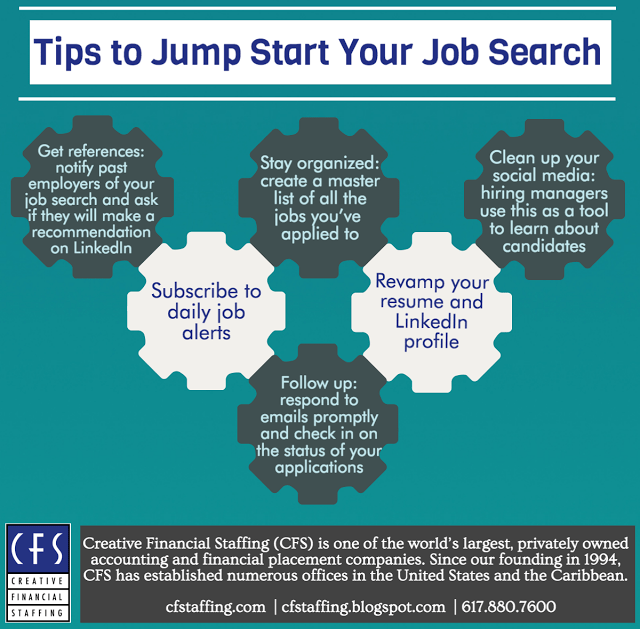

New Accounting & Finance Openings this week!
For more information email me at: dlemaire@cfstaffing.com
- Director of FP&A – central Houston
- Senior Accountant with splash of S/U Tax
- Staff Auditor – North
- Senior Auditor – North
- AR & Credit Manager – non degreed – SW Houston
- International Controller – 8 to 12 years of total experience
- Tax Accountant Public Accounting
- Senior Auditor Public Accounting
Other Hot Openings:
- Controller very small non profit
- Payroll Accountant – Rosenberg
- SEC Accountant – DT and Galleria
- Senior Accountant – SW Houston
- Controller – current SEC experience required – West
- Staff IT Auditor
- IT Senior Auditor
- IT Audit Lead – 110K
10 of The Hardest Interview Questions & How to Answer Them via http://theundercoverrecruiter.com/
10 of The Hardest Interview Questions & How to Answer Them
http://theundercoverrecruiter.com/hardest-interview-questions-answers/
A job interview is always a daunting prospect, and in today’s economic downturn, companies are being more selective about who they hire. One of the ways they can filter out the unwanted applicants is to ask difficult questions.
Very often how these questions are answered makes the difference between success and failure. This tactic helps the employer find the right applicants, but also difficult questions provide an opportunity for those who are prepared with the right answers.
So, here are some of the tough questions you are likely to come across in a job interview, along with strategies to help you answer them.
1) What do you consider to be your weaknesses?
This is a tough one because it is asking you to be specific about things that are not your strong points. The trick here is to turn the negative into a positive. This can be achieved by turning a negative personal trait into a positive professional one. For example, you could mention that you tend to neglect family and friends when working on an important project, highlighting your high level of responsibility and determination to see the task through to ultimate success.
2) What are your strengths?
The important thing here is to highlight qualities and achievements that are directly related to the position you are applying for. One sure fire way to impress is to include the following skills,
- Self-motivation
- Willingness to work long hours
- Ability to work well in a team
- Initiative and creativity
3) Could you tell me a little about yourself?
This is a classic way for the interviewer to see how you carry yourself, as well as to assess your poise, style and ability to communicate. Don’t talk about childhood experiences, likes and dislikes, but rather recent personal and professional experiences that relate to the position you are applying for. A good idea is to prepare a short statement that describes who you are and what you can bring into the company.
4) What can you tell me about this company?
This question reveals whether you have done your research. If you want to make a serious impression on the interviewer, you must do your homework on the company background. All businesses have a web presence, so check out their web site thoroughly. Look for certain buzzwords that they use, and get a feel of what they are about. If they have a mission statement, make sure you understand it. Look for the following information,
- When the company was established
- What products and services they provide
- What are their markets
- Number of employees and branches
5) What is it that sets you apart from other candidates?
This really probes into your reasons for wanting this job. Show your readiness by describing how your career experience, personal qualities and achievements will be an asset for the company. Keep things on a professional level and focus on the benefits you will bring to the organisation.
6) Why did you leave your previous job?
This question might be rephrased if you are currently employed, yet the answer is still important. The current economic climate has pushed many talented people into the job market place, so don’t be ashamed to say you were part of a downsizing operation. If you left your previous job, it is better to merely say you “parted on good terms”, citing a lack of advancement opportunities within the company, or perhaps you felt the position wasn’t challenging enough.
7) Where do you see yourself in three years?
This question tells the interviewer about your ambitions. It isn’t a good idea to go overboard by saying you will be the next CEO, or be on the Board of Directors. On the other hand, you shouldn’t focus on just having a steady income either. Something balanced that highlights your desire to grow within the company, and to develop yourself professionally, while being a positive team player.
8) Are you a team player?
This is a question that requires more of an answer than a simple “yes”. Give behavioural examples of team involvement, focusing on the overall result rather than your role. Having an open mind and being able to work well in a diverse range of environments is always a good thing to mention at this stage. This question will often lead to a further one concerning how you would deal with conflicts within the team, so be prepared.
9) What didn’t you like about your last job?
This is a loaded question that will attempt to reveal your weaknesses. Don’t complain about low salary or long hours, rather say something like you felt your responsibilities weren’t challenging enough.
10) Are there any questions you would like to ask?
All interviewees should be given the opportunity to ask questions, and it is a golden rule to do so. Prepare some relevant questions about your prospective employer; perhaps ask if there will be opportunities for professional development within the company. You could ask the interviewer what he or she likes about the company or perhaps enquire about the organisation’s long-term goals, which shows you have ambition.
Practicing these answers with a friend or colleague will go a long way towards arming you with the self-confidence necessary to carry yourself in a calm professional manner. This not only shows that you have prepared well, but also that you are someone who really wants the position, and has all the qualities to enhance the company. One final tip is to have piece of paper in front of you, with notes to be used as a prompt. This will add to your self-confidence, after all, it is a lot to remember. By following these pointers, you should shine above the competition, and the interviewer will notice your ability to remain calm under fire, while demonstrating a high level of competency.
Author: Guest Author at Goldmills.
7 Questions You Should Ask Yourself before Switching Jobs via http://www.social-hire.com/
7 Questions You Should Ask Yourself before Switching Jobs
When you feel tired of your existing work routine and life begins to look monotonous, many professionals tend to look for a change of scene. Some may think of vacations while others may turn to a more permanent solution like a change of job. The latter becomes even more complex when the individual begins to consider another field of work altogether. For such professionals, it is necessary that you sit down and mull over what you want and what you need. While it is no use to stay on in a rut, a change of career can be a tricky situation, especially if you are not certain of how things will shape up in the future. And since the grass always seems greener on the other side of the fence, it is vital for you to honestly answer these questions before you say good-bye to your existing job.
1. Why do I want to change my job?
You don’t want to jump out of the frying pan to land into the fire. So you must have a solid reason for the job change. It could be because –
- You are not interested in the area of work anymore
- You have served for too long and feel taken for granted
- You are undervalued and underpaid
- Restructuring led to a change in your role that you hadn’t settled for
- You feel you are not progressing
- You don’t like your manager or co-workers
2. What type of work do I want to do?
Sit and analyze your current job and career. Then think of what you really want to do. Is your present position worth giving up for this aspiration? Try to determine what kind of work will make you happy and your life more pleasant. Rather than rushing the process, you can make less drastic changes and still be happy.
You can look for a different job the same industry, find a similar job in a different industry or simply modify your current profile. But do not try to change all these at the same time. For instance, if you are a marketing manager with an MBA degree you can even venture into the field of online marketing and social media. It’s all about what prospects you would like to explore. You can either join an IT company offering such services or maybe even start providing freelance services from home which will then give you more flexibility.
Think of what whether you want to –
- Meet new people
- Do less paperwork
- Have fewer people in your team
- Travel
- Have flexible work hours or work-from-home option
3. What transferable skills and capabilities do I possess?
- Organizational skills
- Detailed research work
- Teaching or lecturing
- Fundraising know-how
- Effectively implementing ideas and initiatives
- People skills
Transferable skills and capabilities like these help you in career change. Think about roles where you will be able to utilize them and you can decide better. You can even try a sideway move or a consultancy service.
4. What am I expecting?
When you think of a new career, make sure it is something you are passionate about. Think of the reason that is driving you today, will it drive you tomorrow? Even though you are likely to get a fat pay cheque in your new role, let it not be the only reason to fascinate you. You may have to do this work day in day out so look for more reasons to take it up. Also make sure that this profile is in harmony with your core principles and values.
5. Am I prepared to start all over again?
This can happen if you have decided to change your industry altogether. Even if you have agreed for a complete change, you still need to think about your family. Starting from square one may require them to live differently and more humbly.
6. How much salary do I need to earn?
This is probably the most crucial question you ought to ask yourself. Analyze you current finances and write down all expenses. Assess the income, outgoings, extra expenses like your child’s school fee or mortgages. This will give you a clear perspective of how much money you require to earn over a year. See if you can make any cuts to it. Then think of what your new job will provide.
7. Will I regret not moving?
People tend to regret not doing certain things. Will this be one of those decisions? If you think you will be blaming yourself for not moving on at the right time, you should probably go ahead and change what you don’t like. You should not sit down after five years and sulk about having the opportunity and not taking it.
These crucial questions (and their answers) will help you to evaluate your current position, think it through and clearly understand your future prospects. So take your sweet time and choose whatever is best for you!
9 Affirmations the Most Successful People Repeat Each and Every Day by Jeff Haden
What you say is often what you do — especially if you say it to yourself.
A friend of mine is big on daily affirmations and positive self-talk. He spends a few minutes every morning looking in a mirror and repeating, “I’m great. I’m awesome. I’m a superstar.”
He says his daily affirmations work for him but his approach has always left me a little flat. Why? There’s no action involved in his affirmations. He’s great… but what is he going to do with that greatness?
Achievement is based on specific actions, not on general thoughts. The same is true with how we treat people: to others we are what we do, not what we think.
And most importantly, genuine “success” means different things to different people. For some it’s money, for others it’s power and influence, for others it’s the strength of relationships… your definition of “success” is all that matters.
That’s why I like this list of affirmations a lot better. It comes from Mareo McCracken, a Global Growth Consultant and Revenue Leader at Axis Medical Technologies. (You might consider following him on LinkedIn; he often takes an unusual approach to overcoming the challenges most of us face.)
Here’s Mario:
The key driver of self-awareness is what we tell ourselves about our past, present, and future. Our self-talk becomes our personal stories. We believe what we tell ourselves. Self-talk combined with matching action is the number one way to change your life.
While I am no guru, I know that these are the stories you must tell yourself:
1. “I treat others the way they want to be treated.”
By treating others the way they want to be treated, my own personal fulfillment grows. I give respect and provide service. I show love, care, compassion, and consideration. I help others feel appreciated. I let others know they are important, that they matter, and that they are valuable. By valuing others, my confidence increases.
2. “I am ever grateful.”
Gratitude allows happiness to come into my life. I choose to show appreciation for what I have, who I know, what I can learn, and who I can help. I define and talk about the things I am grateful for on a daily basis. I know that the number one way for me to be happy is to choose to be grateful. The more thanks I show, the more my confidence increases.
2. “I am accountable.”
I am reliable. I am responsible. I never blame others, I never accept excuses. I take ownership of my successes as well as my mistakes. I know that my own performance is a direct result of what I think and the actions I take. By taking full-responsibility daily, my confidence increases.
3. “I believe in myself.”
When I fail, I learn. My failures are temporary because my perseverance is permanent. I push forward at all times because I know I can succeed. As I continually believe in myself, my confidence increases.
4. “I am positive.”
I look for the good in all people and situations. My mind is focused on the possibilities. When I think positive thoughts, positive things happen. The more I act in a positive manner, the more my confidence increases.
5. “I have high standards.”
I do not let mediocrity enter my life. I am honest. I do not apologize for striving for excellence. My quality of life is a reflection of my high standards. I rise and lift others with me. By living up to my personal high standards, my confidence increases.
6. “I follow my heart.”
Time is precious and everyone has something that they are passionate about. I do what makes me and those around me happy. The cost of not following my heart is too great, I am going to live life with no regrets. As I follow my heart, my confidence increases.
7. “I trust my gut.”
I value my intuition since it is based on my subconscious-mind and conscious-mind working in harmony. I know what is true, and I know what I want to be true. I trust my gut feelings, my inner voice. As I trust myself, my confidence increases.
8. “I am resilient.”
I have overcome many challenges and will overcome many more. The times that are the toughest, are the times I learn the most. I never back down. I work hard and I push through. As I act in a resilient manner, my confidence increases.
9. “I help people.”
I matter because I make a difference. While I may get tired I am not weary. I share myself and love to serve. By making a difference, my confidence increases.
If we tell ourselves our personal truth enough, it manifests into reality. Our reality and our actions will always match the story we believe.
The opinions expressed here by Inc.com columnists are their own, not those of Inc.com.
Life Without Oil

Price of Oil March 22nd, 2016 via www.oil-price.net
| Crude Oil and Commodity Prices March, Tuesday 22 2016 – 08:49:18
|
||||||||||||||||||||||||||||||||||||||||||||||||||||||||||||||||||||



 0.47 1.18%
Power words to improve your resume
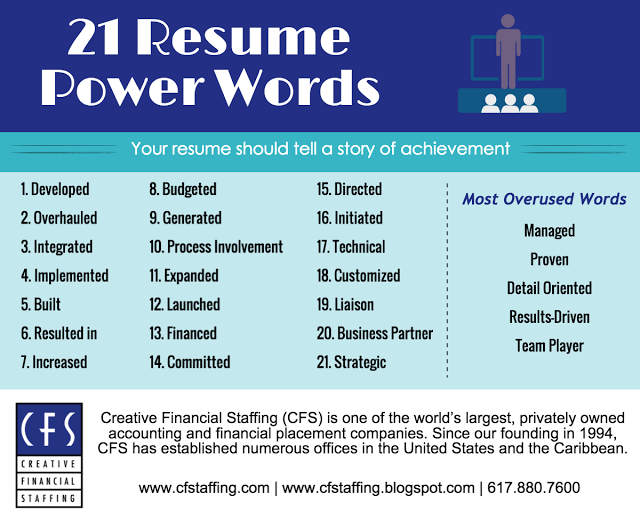
 Houston's F&A Recruiter and Talent Connector